The Living Water Cities Movement
Floating Ecosystems offer a unique technical solution to the degradation of urban waterways allowing vibrant and biodiverse wetland ecosystems to be established on hard edged urban rivers, lakes, reservoirs & canals. The Living Water Cities Movement is a banner under which we can all gather. By working together and channelling our efforts we can turn underused and polluted resources into vast, living infrastructure.
Make Your City a Living Water City
Watch this video to learn more about the Living Water Cities vision.
Bring the Waterscape to Life
View the city animation and click on the numbers to see how the city can become a Living Water City.
RESERVOIRS
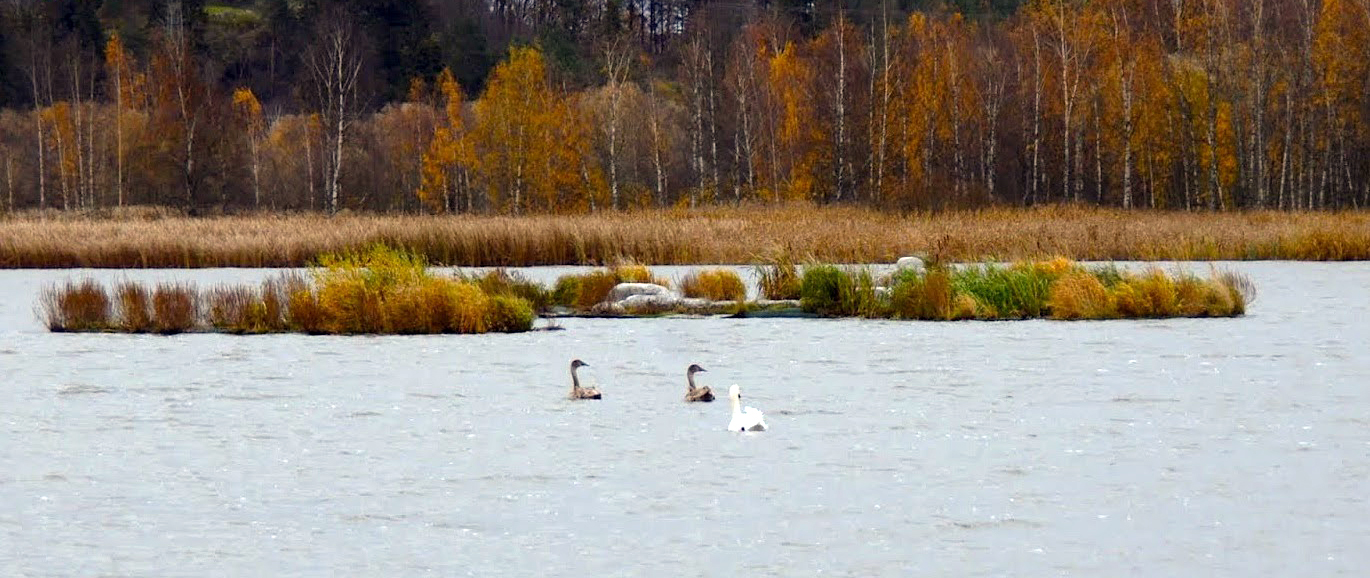
Add ecological and landscape value and increase water quality in RESERVOIRS and large water-bodies using floating islands.
SUDS
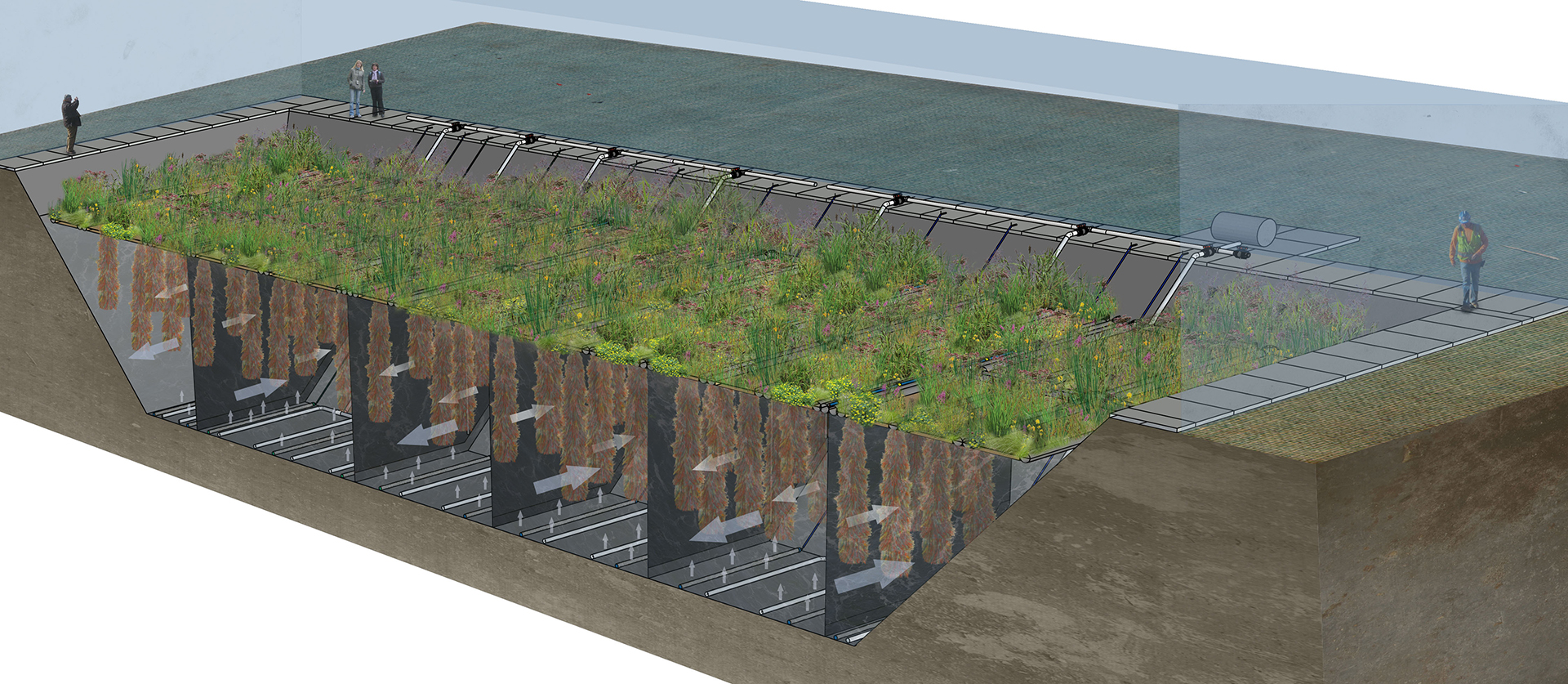
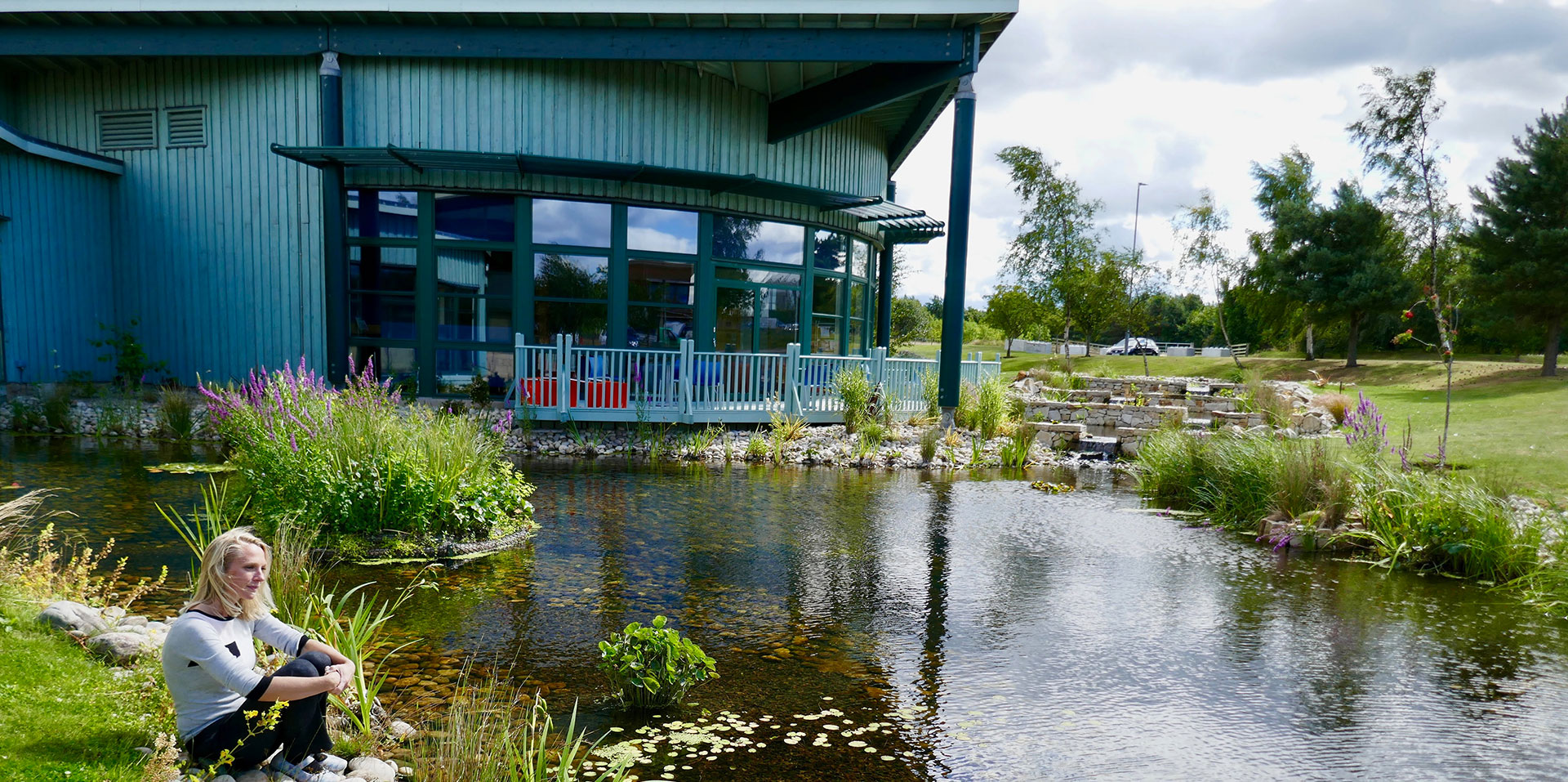
Increase the performance of SUDS projects with floating technology responding to changing water levels and increasing habitat and water quality.
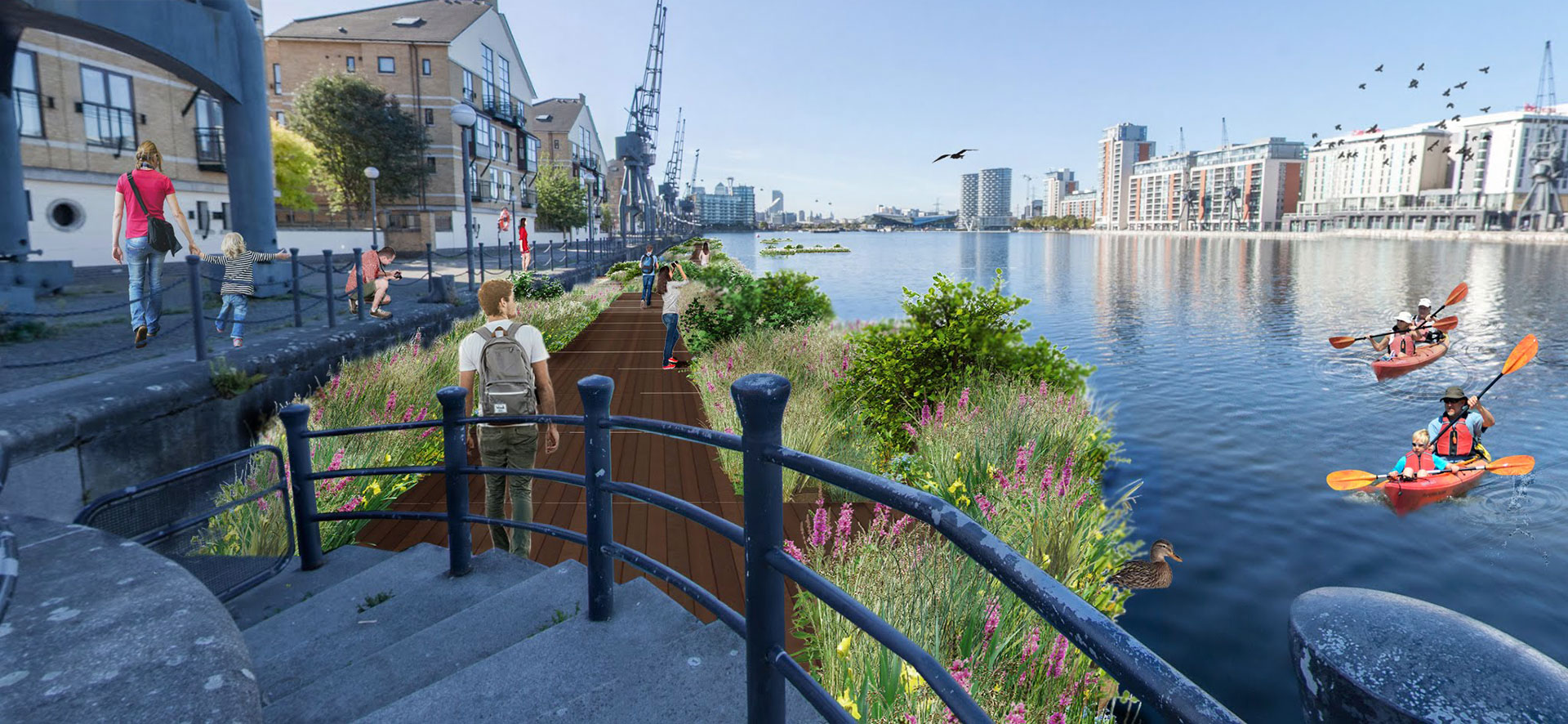
Floating Riverwalks
FLOATING RIVERWALKS bring out the potential of waterways and maximise their amenity value.
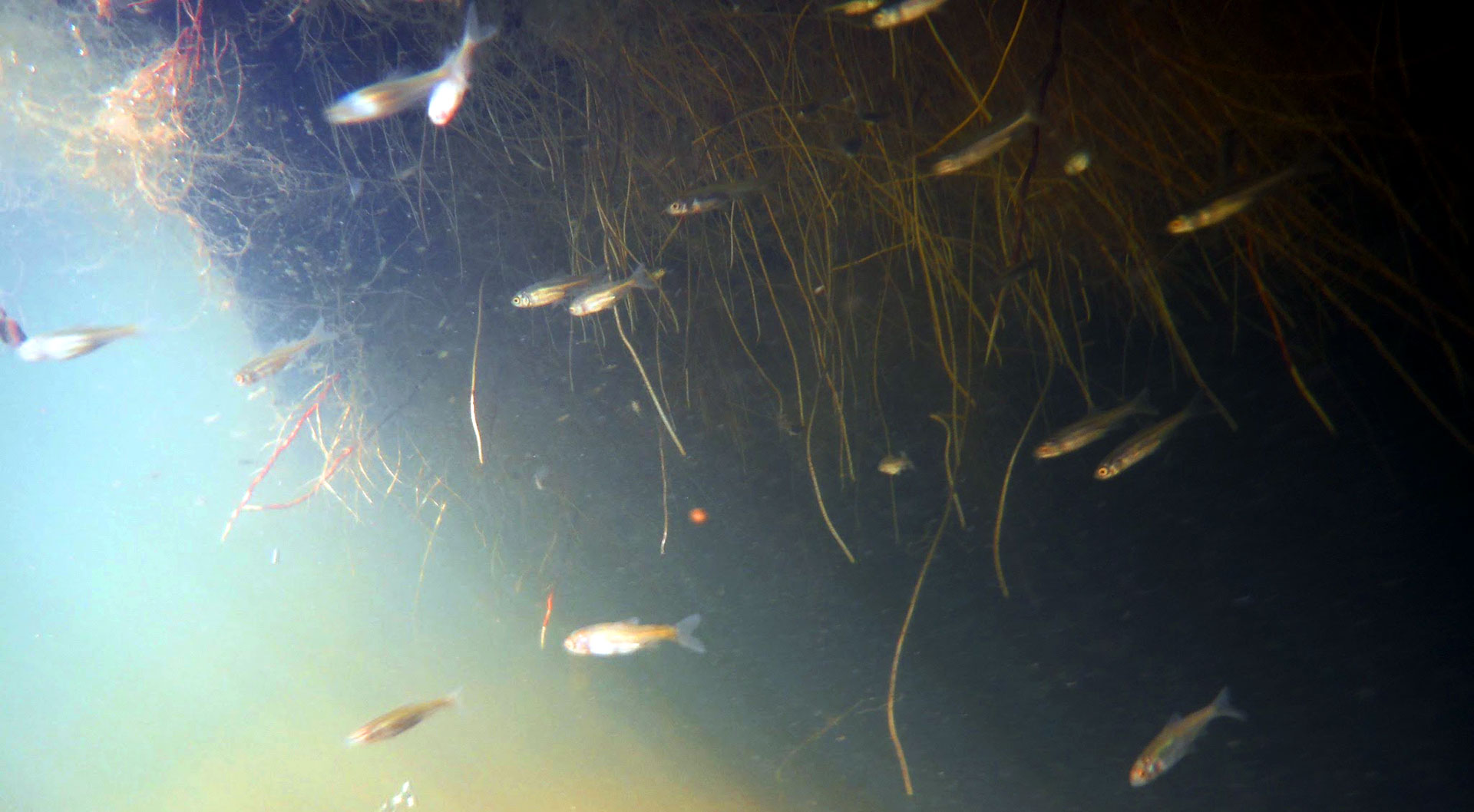
Fish Habitat
Floating Ecosystems improve FISH HABITAT by providing shelter and feeding grounds for fish.
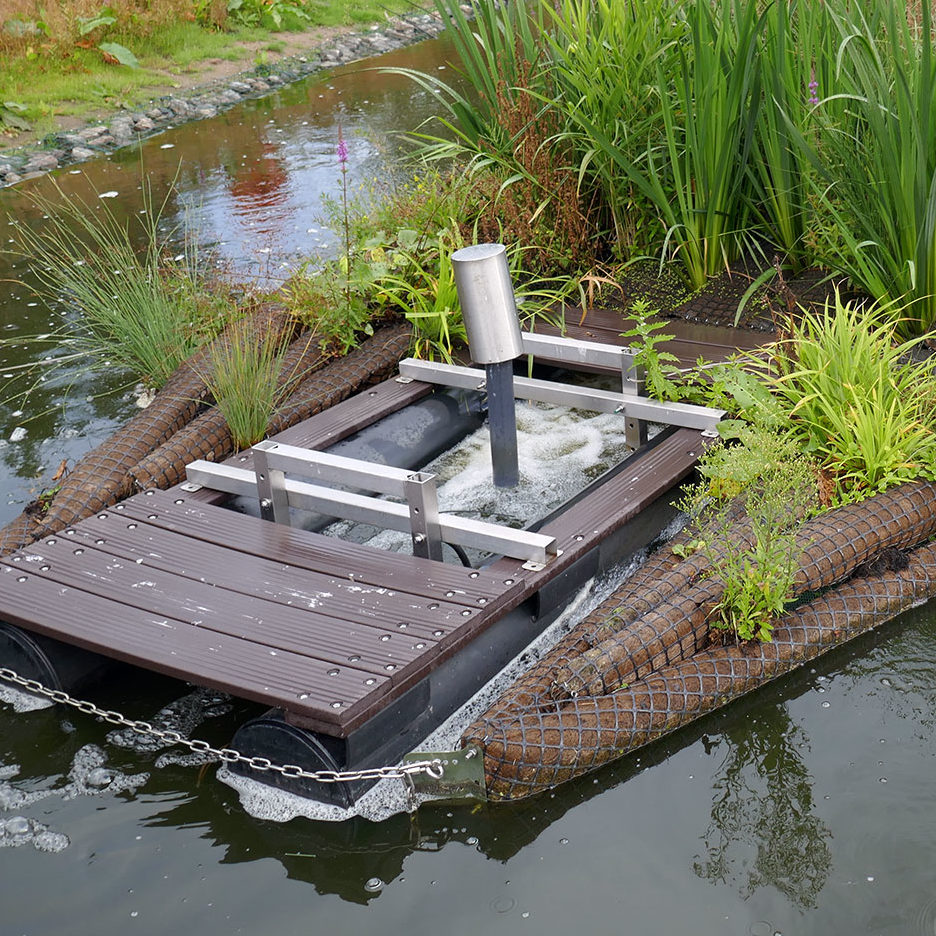
Active Island
Treat urban wastewater and storm water using ACTIVE ISLAND REACTORS that aerate and circulate the water.
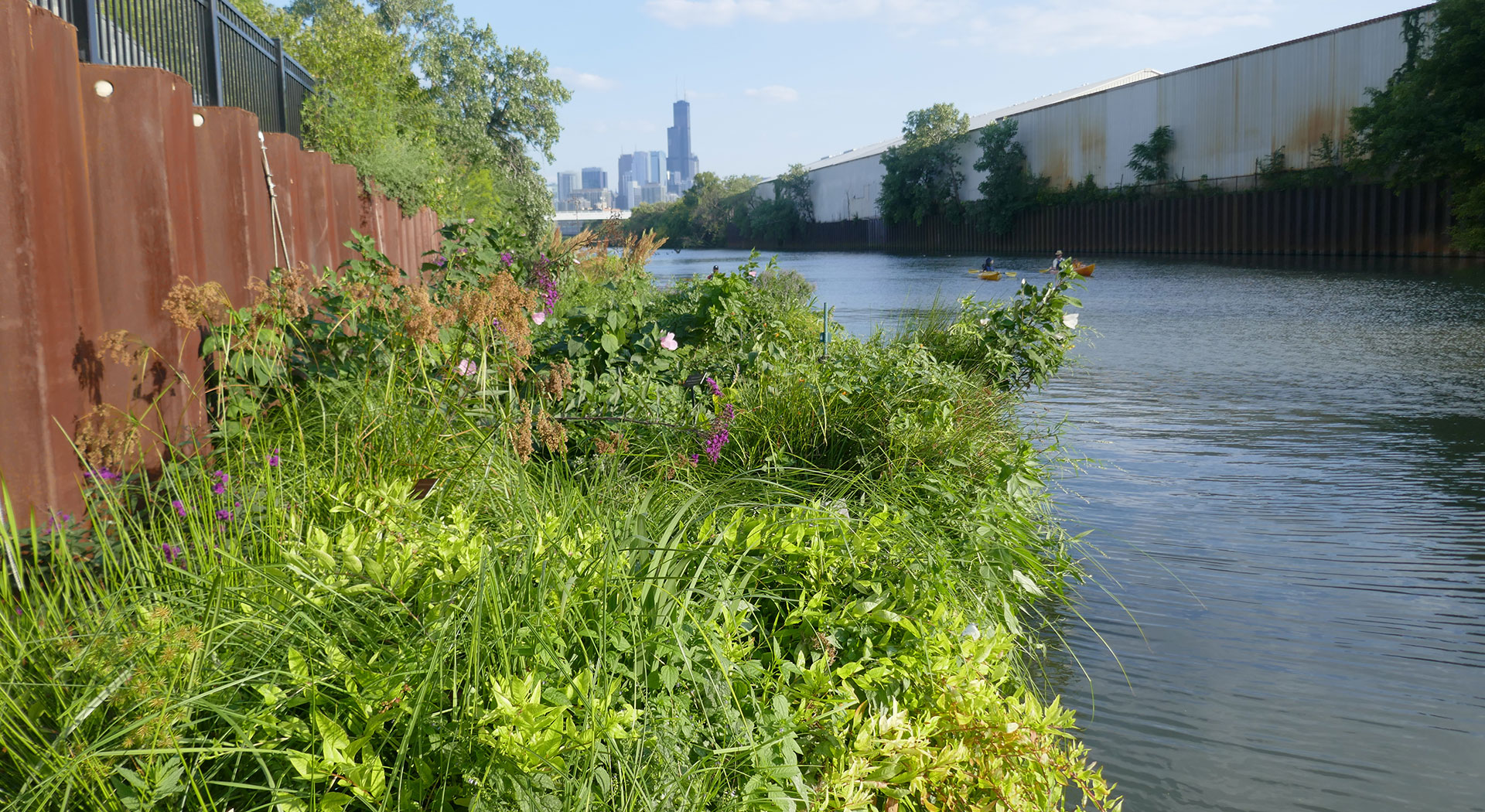
Floating Riverbanks
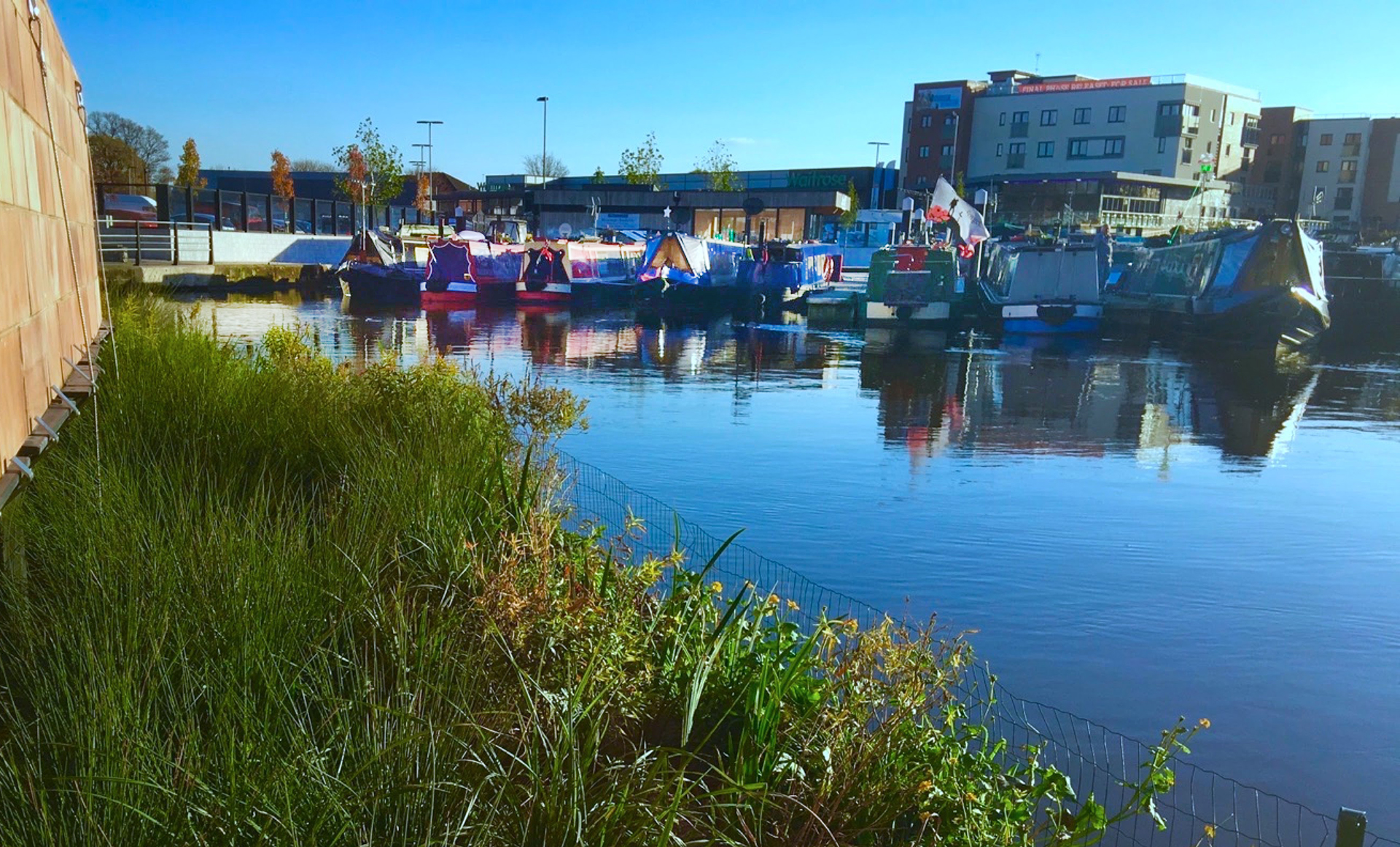
FLOATING RIVERBANKS revitalise vertical concrete or sheet pile water edges by creating soft green edges.
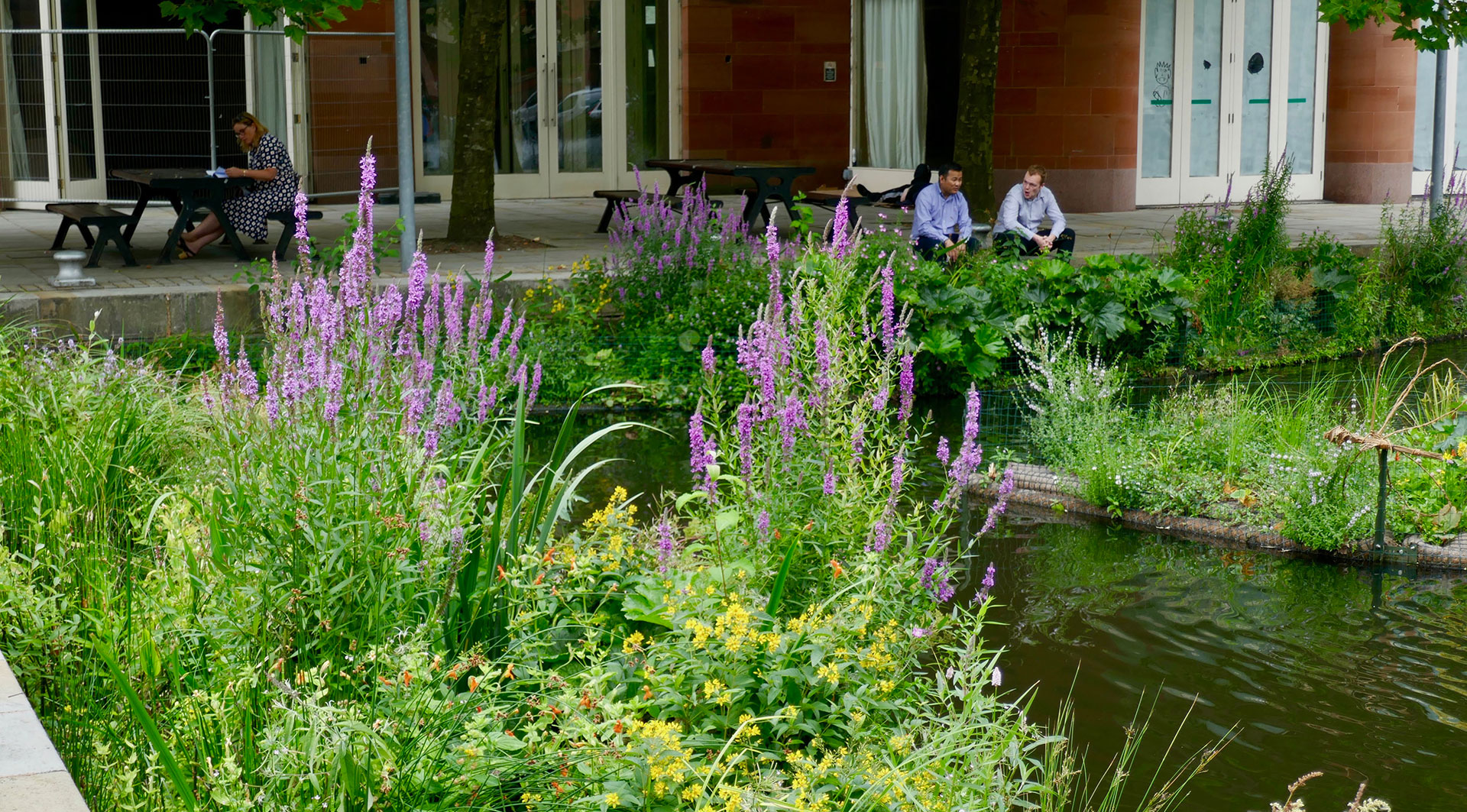
Urban Basins and Ponds
Create attractive green havens for wildlife and people by maximising the potential of urban URBAN BASINS AND PONDS.
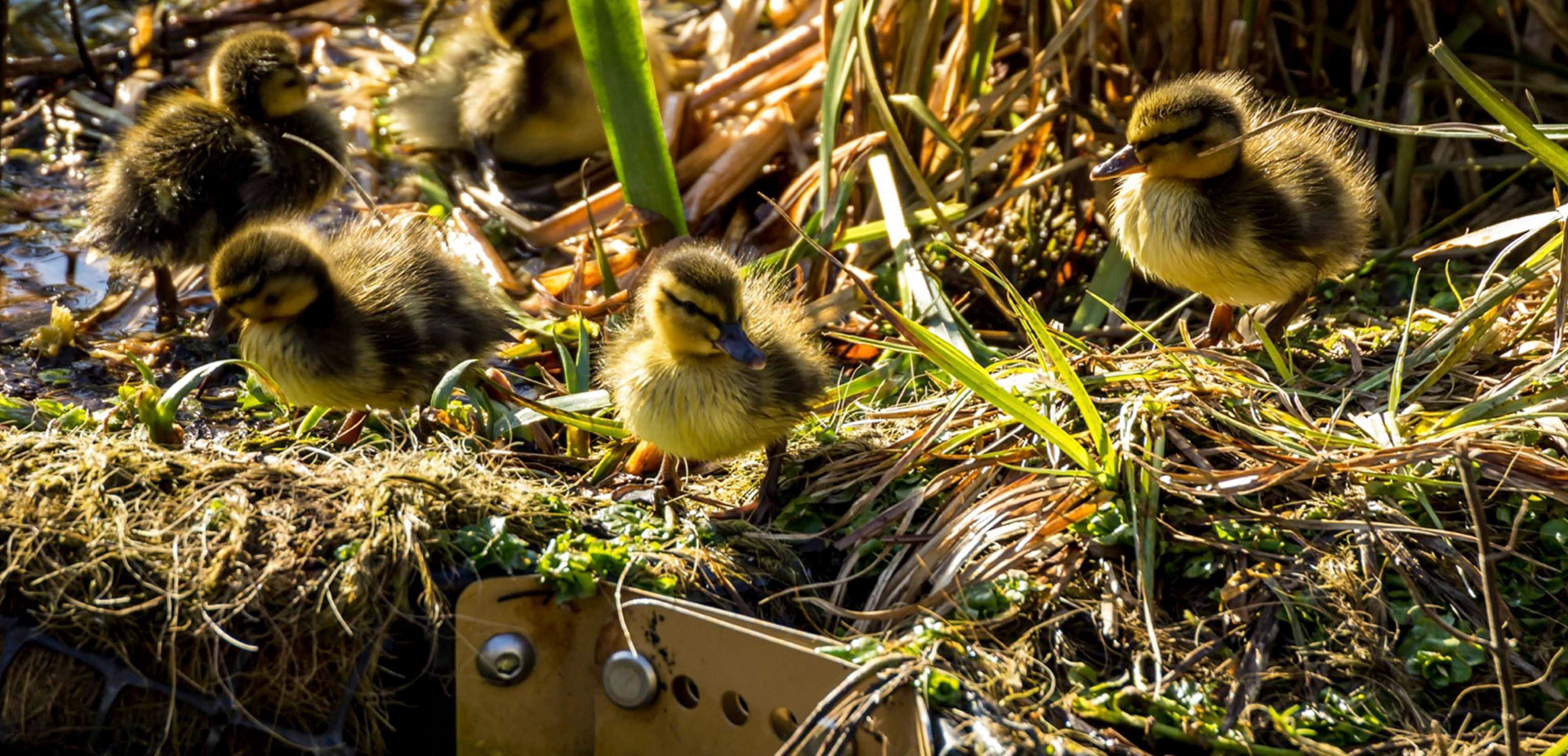
Bird Habitat
Floating islands improve BIRD HABITAT by creating sheltered and undisturbed nesting and preening platforms.
Why Living Water Cities?
Almost all cities are water cities. Water commonly serves as a defining, founding feature of settlements. Rivers, lakes and estuaries were once the heart of trade, transport and leisure, and still serve as landmark features for tourism and relaxation. Yet, rapid urbanisation has degraded the water bodies of our cities.
Our cities are expanding and new ways of life are taking us further and further from nature. The waterfronts of today’s growing cities typically incorporate docks, canals, flood defences, storm water channels and many different types of containing and retaining walls to control urban water systems.
The result is that today’s water cities typically contain many kilometres of water edge comprised predominantly of hard concrete, steel sheet pile, or stone work. This way, the potential is lost for waterways to become ecological corridors, waterscapes that provide sanctuary for a wide range of species as well as a place for people to escape the hustle and bustle of the city.
Urban river restoration has expanded in recent years, people are starting to understand the interconnected benefits that restored ecosystems can provide to society without disrupting existing infrastructure.